When you think about cavities, brushing, flossing, and sugary snacks probably come to mind. But have you ever wondered why some individuals seem to have perfect teeth no matter what they consume, while others struggle with constant dental issues? The answer may lie deeper than your toothbrush—it could be written in your DNA.
Are Cavities Really Genetic?
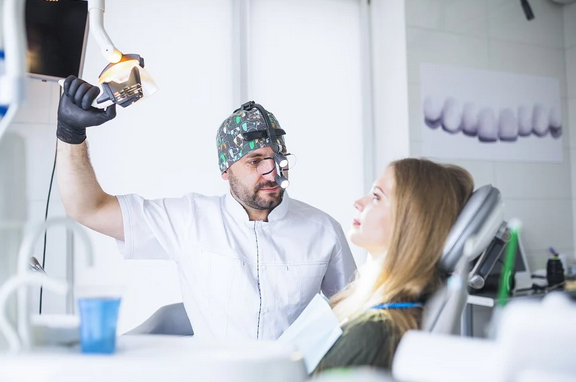
Recent research suggests that genetics can play a surprisingly big role in determining how prone you are to cavities. Just like eye color or hair texture, your genes influence the structure and strength of your teeth. Some people inherit tougher enamel or more effective saliva production, both of which help protect against decay. On the other hand, certain genetic variations can make teeth more vulnerable to the bacteria that cause cavities. A private dentist Wilmslow might notice these tendencies during routine check-ups, highlighting how some oral health challenges can be more hereditary than habitual.
Enamel Strength and Genetic Influence
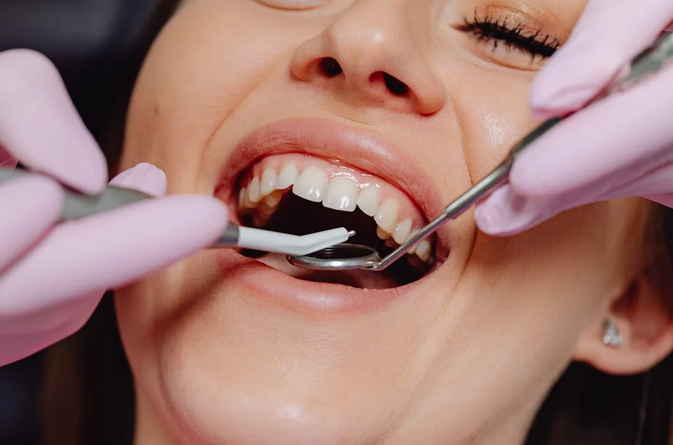
Enamel—the hard outer layer of your teeth—is your first line of defense against decay. But not all enamel is created equal. Scientists have found that variations in genes responsible for enamel formation, such as AMELX and ENAM, can impact how strong or weak your enamel is. If your enamel is softer or thinner due to genetic factors, it can wear down faster and expose your teeth to decay. While daily brushing and fluoride can help, genetics may still tilt the odds.
The Role of Saliva in Oral Health
Saliva does more than just keep your mouth moist—it’s also a powerful protector against cavities. It neutralizes acids, washes away food particles, and provides essential minerals that repair early enamel damage. However, genetics can affect how much saliva you produce and how effective it is at maintaining a balanced pH. If your genes lead to less or less effective saliva, your mouth may struggle to defend itself against harmful bacteria, increasing your risk for cavities and gum disease.
Bacteria, Immunity, and Your Genetic Makeup
Cavities are ultimately caused by bacteria, but your body’s immune response determines how well you can fight them off. Genetic variations in immune system genes can influence how your body reacts to the bacteria that live in your mouth. For some, this means a natural resilience to decay-causing microbes; for others, it could mean chronic inflammation or a higher susceptibility to gum infections. Understanding these genetic factors could one day help dentists personalize preventive care based on a patient’s genetic profile.
Lifestyle Choice

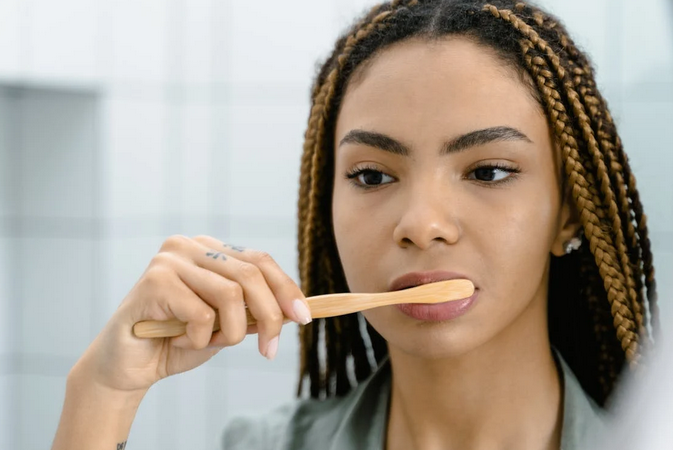
Even if your DNA predisposes you to cavities, your daily habits have the final say. Good oral hygiene, a balanced diet, and regular dental visits remain the most effective ways to prevent tooth decay. Brushing twice a day, flossing, and limiting sugary snacks can significantly offset genetic risks. Think of it as teamwork between your genes and your lifestyle—your DNA sets the baseline, but your habits decide the outcome. Modern dentistry is also catching up with this concept, blending preventive care with genetic insights to offer more personalized oral health solutions.
The Future of Genetic Dentistry
As genetic testing becomes more advanced and affordable, dental care will likely take a more personalized approach. Dentists may soon use genetic data to predict a patient’s risk for cavities, gum disease, and other oral conditions before symptoms appear. Imagine having a dental plan tailored specifically to your DNA—one that targets your weaknesses and builds on your strengths. The field of genetic dentistry is still evolving, but it holds exciting potential for the future of oral health.
While brushing and flossing will always be essential, science is uncovering that our DNA also plays a powerful role in determining who’s more prone to cavities. From enamel composition to saliva production, your genes quietly shape your oral health every day. Still, genetics aren’t destiny—a mindful approach to care, regular check-ups, and smart habits can keep your smile bright no matter what’s written in your DNA.…
See More







 A study that was conducted in 2012 found that sourwood honey can help manage diabetes. The study found that taking two tablespoons of sourwood honey per day helped lower blood sugar levels in people with diabetes. The study also found that sourwood honey improved insulin sensitivity and reduced fasting blood sugar levels. In fact, the study showed that the effects of sourwood honey on blood sugar levels were similar to the impact of the diabetes medication metformin. While more research is needed in this area, these findings suggest that sourwood honey may be a natural and effective way to manage diabetes.
 Did you know that
 One of the best ways to get children to practice good personal hygiene is to make it fun. You can incorporate games or activities into your child’s daily routine. For example, you can turn teeth brushing into a game by letting your child brush their teeth for two minutes and then giving them a sticker.
 One of the most common side effects of nootropic supplements is headaches. If you are taking a nootropic supplement and you start to experience headaches, it is important to drink plenty of water and take a break from the supplement for a few days. If the headaches persist, you should consult with your doctor. This is the most common side effect and is usually nothing to worry about. However, if it does not go away after a few days, you must speak with your doctor. This is so they can rule out any other potential causes.
 The second common side effect of nootropic supplements is anxiety. This is often caused by increased brain activity and can be exacerbated by caffeine. If you are taking a nootropic supplement and you start to feel anxious, it is important to speak with your doctor. However, some people who are sensitive to supplements may experience anxiety regardless of how they take the supplement. They may recommend that you reduce the dosage or stop taking the supplement.
 Lastly, dizziness is another potential side effect of nootropic supplements. If you start to feel dizzy after taking a supplement, it is important to drink plenty of water and lie down for a few minutes. Some people who experience dizziness may also experience headaches. However, some people may experience dizziness without experiencing any other symptoms. This is usually not caused for concern and will go away after a few minutes.
 One of the most common side effects of changing your diet is headaches. This is often caused by a sudden increase or decrease in blood sugar levels.
 The other common side effect people experience when changing their diet is sleep disturbances. This can manifest itself in several ways, from difficulty falling asleep to waking up frequently during the night.
 If you have experienced trauma, therapy can be incredibly helpful in addressing those issues. A therapist will help you work through the trauma step by step, which can be highly healing. They will also provide support as you deal with any associated emotions such as anger, sadness, or fear. Trauma is a common issue that many people struggle with, but getting therapy can make a huge difference.